Seb Delahaye[Puma P1]
Bring Puma closer to its customers with a redesigned app.
Designing P1, Puma's new e-commerce mobile app, from field research to a full prototype.
Facing competitors already ahead on mobile commerce, Puma needed a local sales channel that could also deepen its relationship with customers, connect the in-store experience, and give its athlete partnerships a real place in the app. Field research across 5 major retail stores (Puma, Nike, Adidas, Asics, Foot Locker) and 15 user interviews — guerrilla and semi-structured — surfaced three clear needs: a single app per brand, more digital experiences, and a better in-store journey. A competitive benchmark then pointed to concrete levers: AI, in-store video guidance, RFID, personalized experiences, a loyalty program. The result: P1, a full prototype from onboarding to in-store checkout.

Define what a successful local-commerce app looks like for Puma.
Scope
> Discovery to Prototype
Central question
> How to make the Puma mobile application a successful local commerce platform?
Understand real-world shopping behavior before designing anything.
Field research across 5 major retail stores (Puma, Nike, Adidas, Asics, and Foot Locker) to analyze in-store technologies and observe interactions between sales staff and customers — deepened by 11 guerrilla interviews and 4 semi-structured qualitative user interviews, aimed at understanding the engagement levers for a sports apparel app, the in-store experience, and the barriers to mobile app usage.
Insight 1 — Users wish they had a single app per brand. They want a more tailored and relevant experience, increasing their satisfaction.
> "It makes absolutely no sense to have several apps for one brand, I don't understand!" — Emmanuel
Insight 2 — Users are seeking more digital experiences. They are looking for more practical and faster experiences than traditional ones.
> "Yeah, it's true that if something's moving, it grabs my attention right away." — Théo
Insight 3 — Users want a better in-store experience. They want to find products easily, check availability, and make purchases quickly.
> "For instance, the salespersons are busy, and when they're available, the product is no longer available!" — Victoria
Compare Puma to direct and indirect competitors to spot what's missing.
Analyzing features, user experience, and market positioning across other brands' apps surfaced concrete opportunities for differentiation: a single app per brand, artificial intelligence, in-store video guidance, RFID, personalized experiences, a points system, exclusive offers.
Turn the research into P1, a full working prototype.
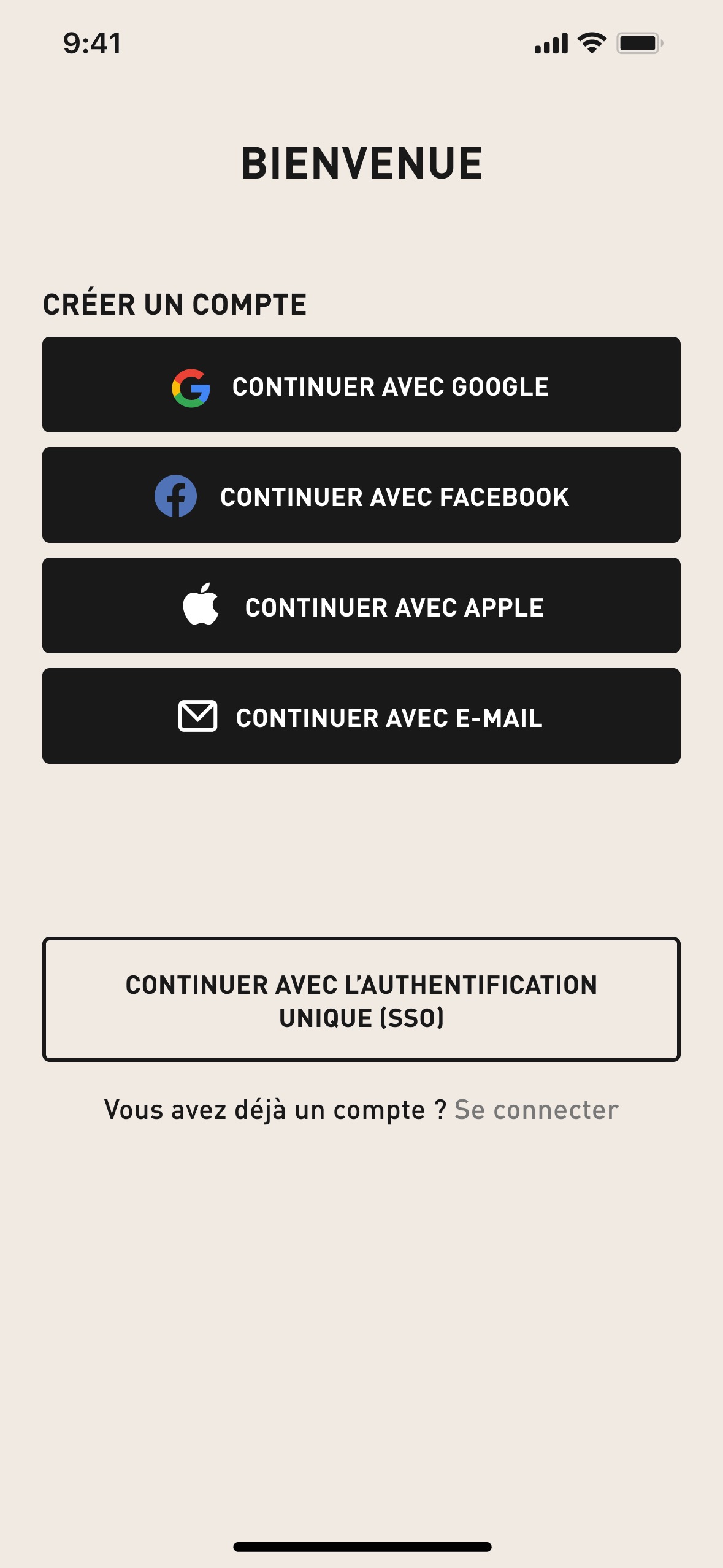
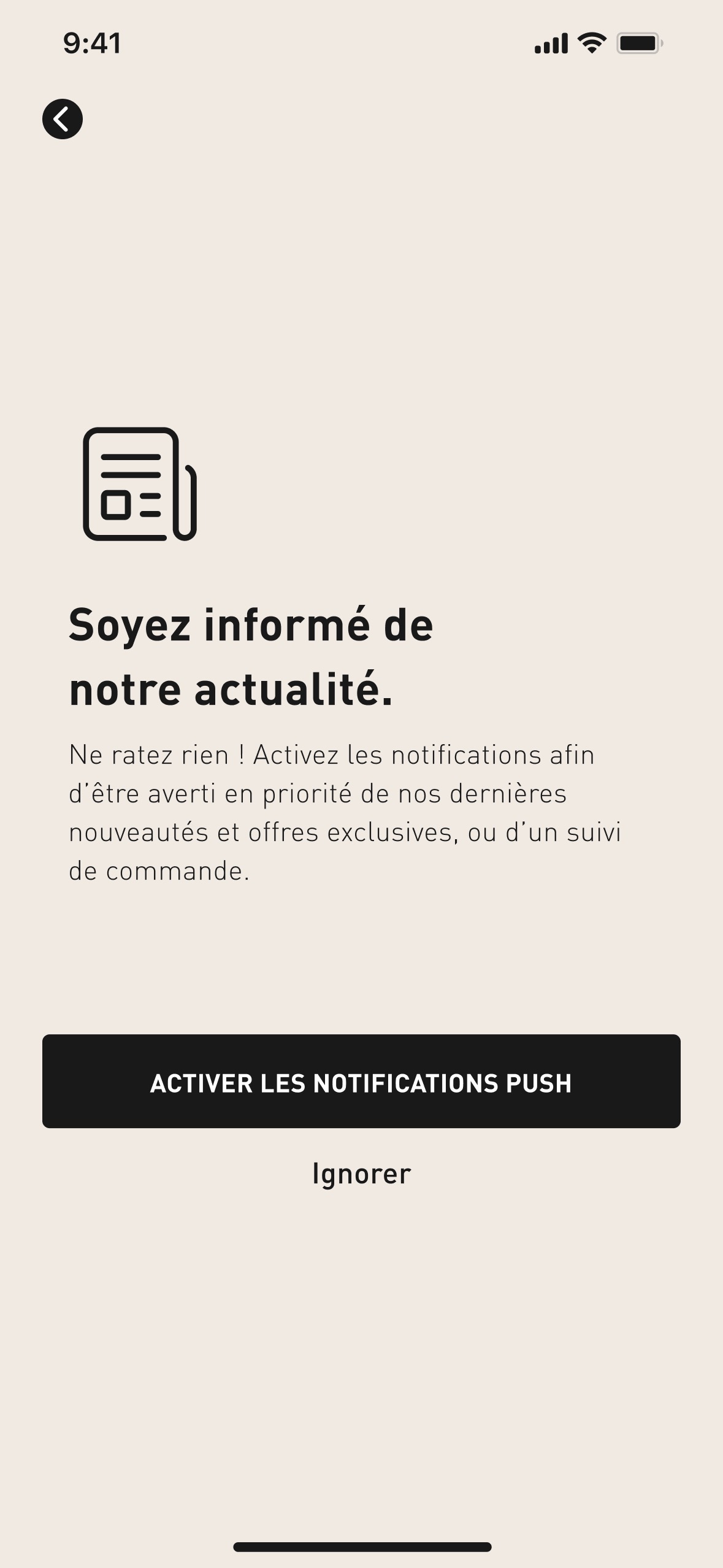
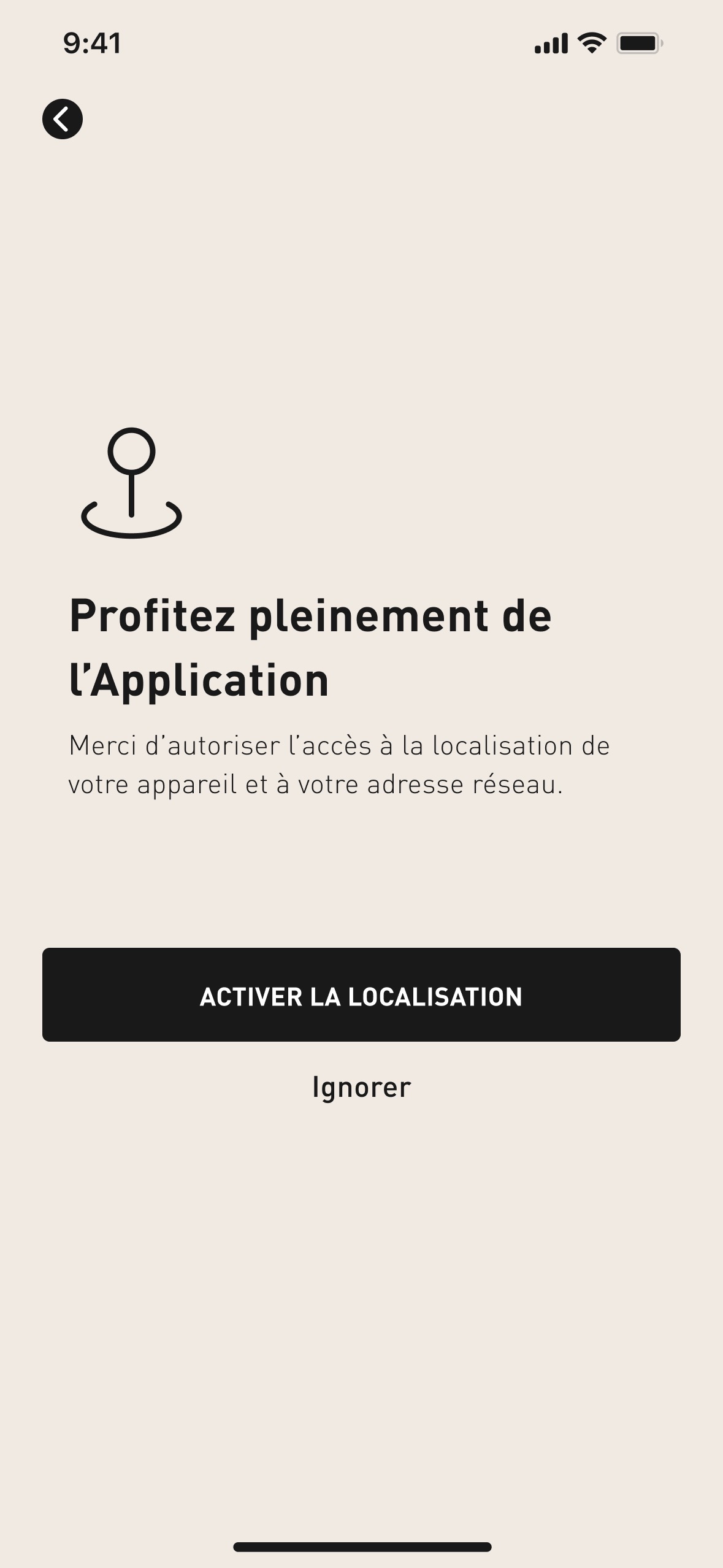
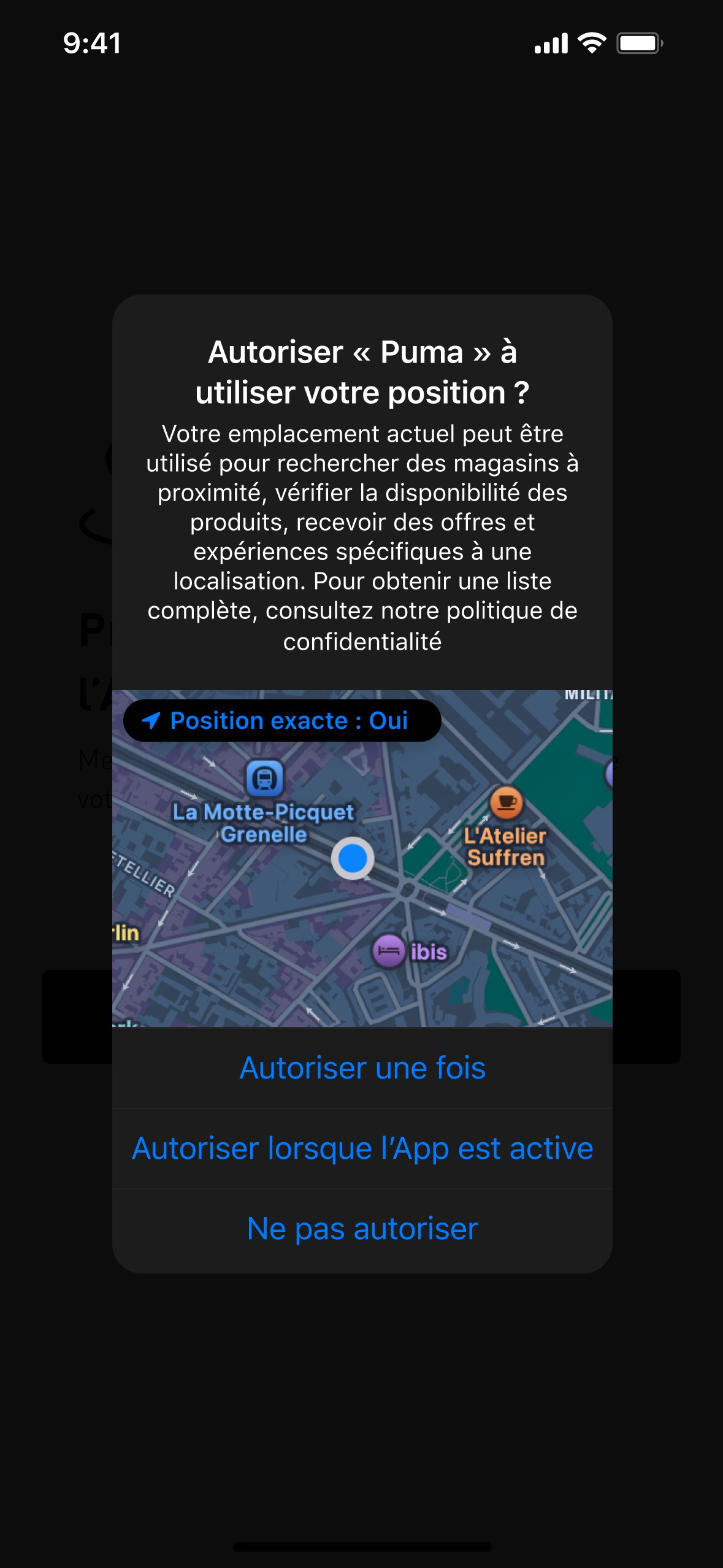
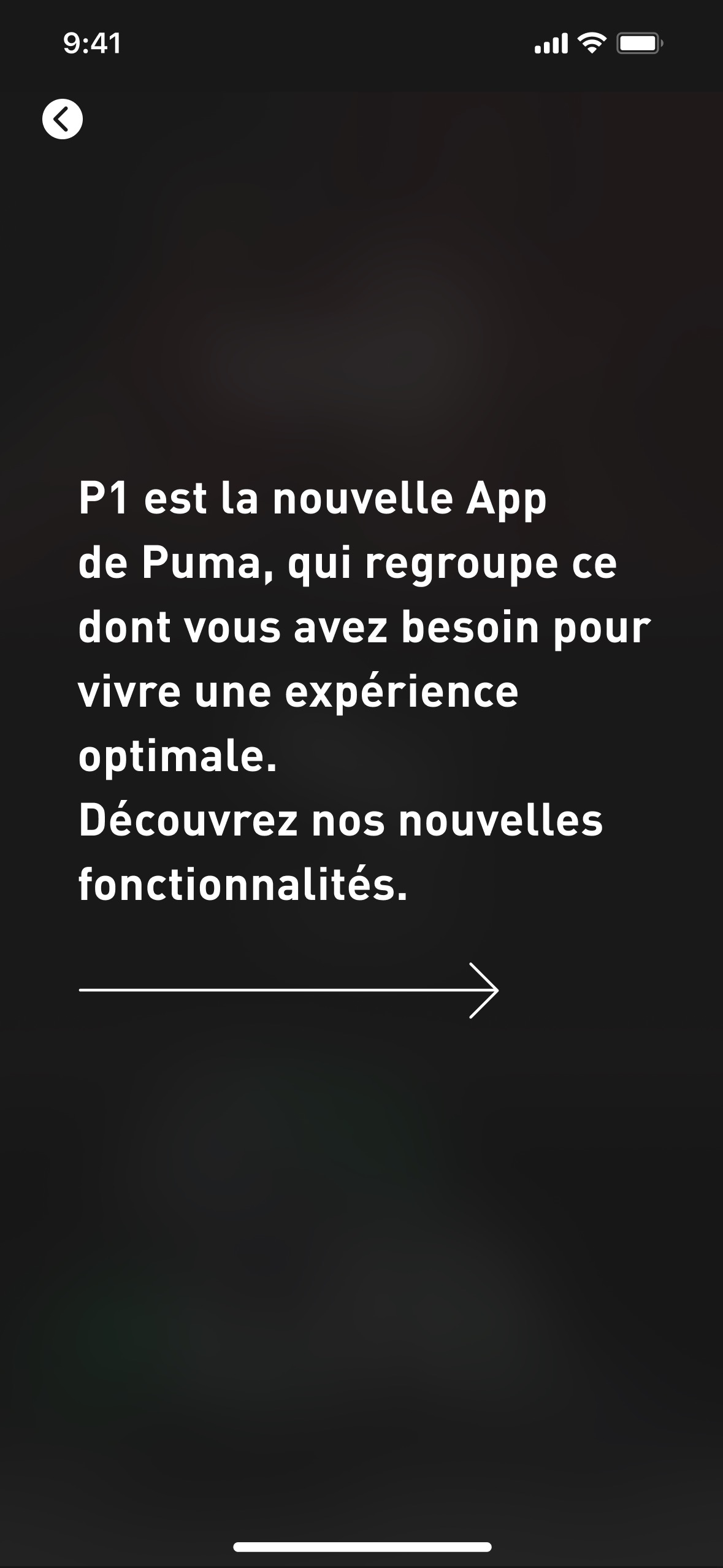
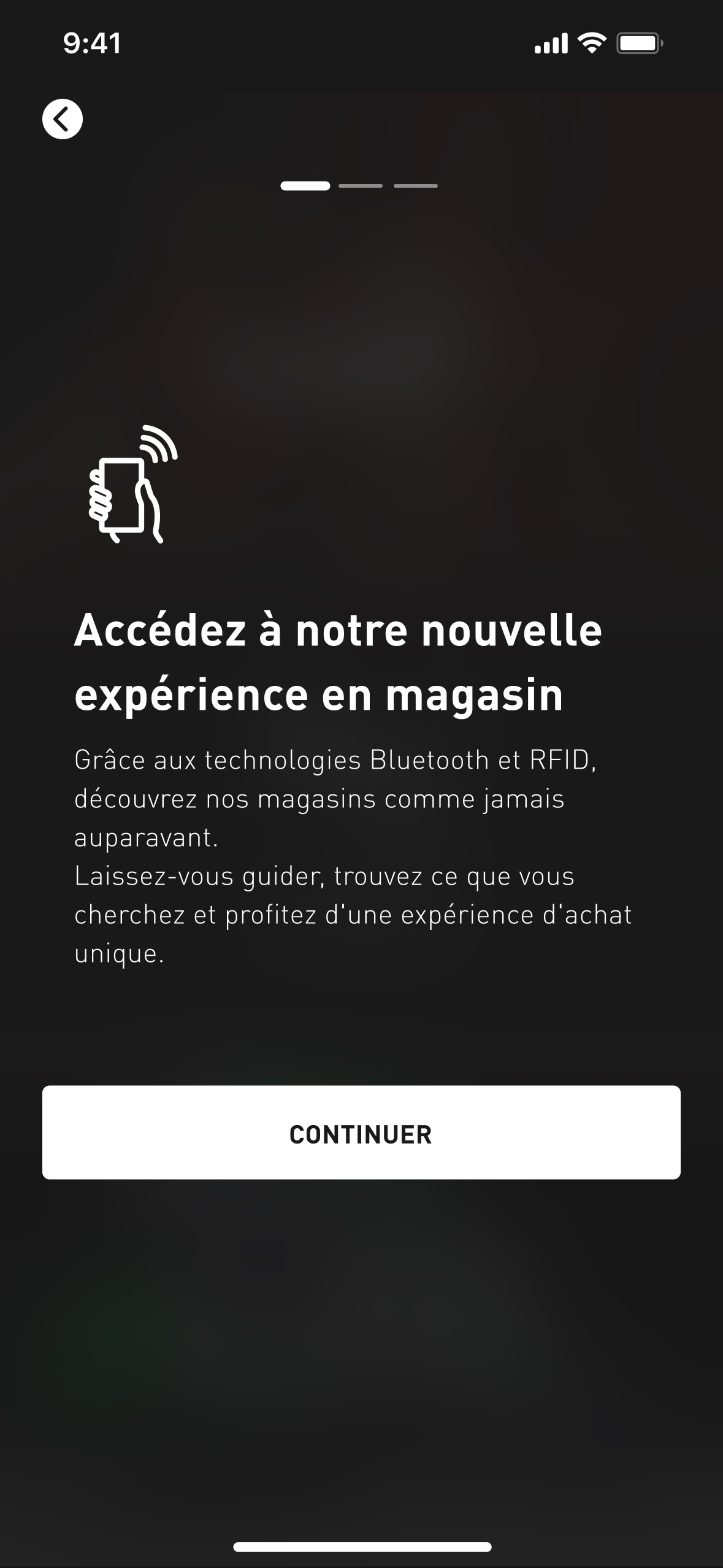
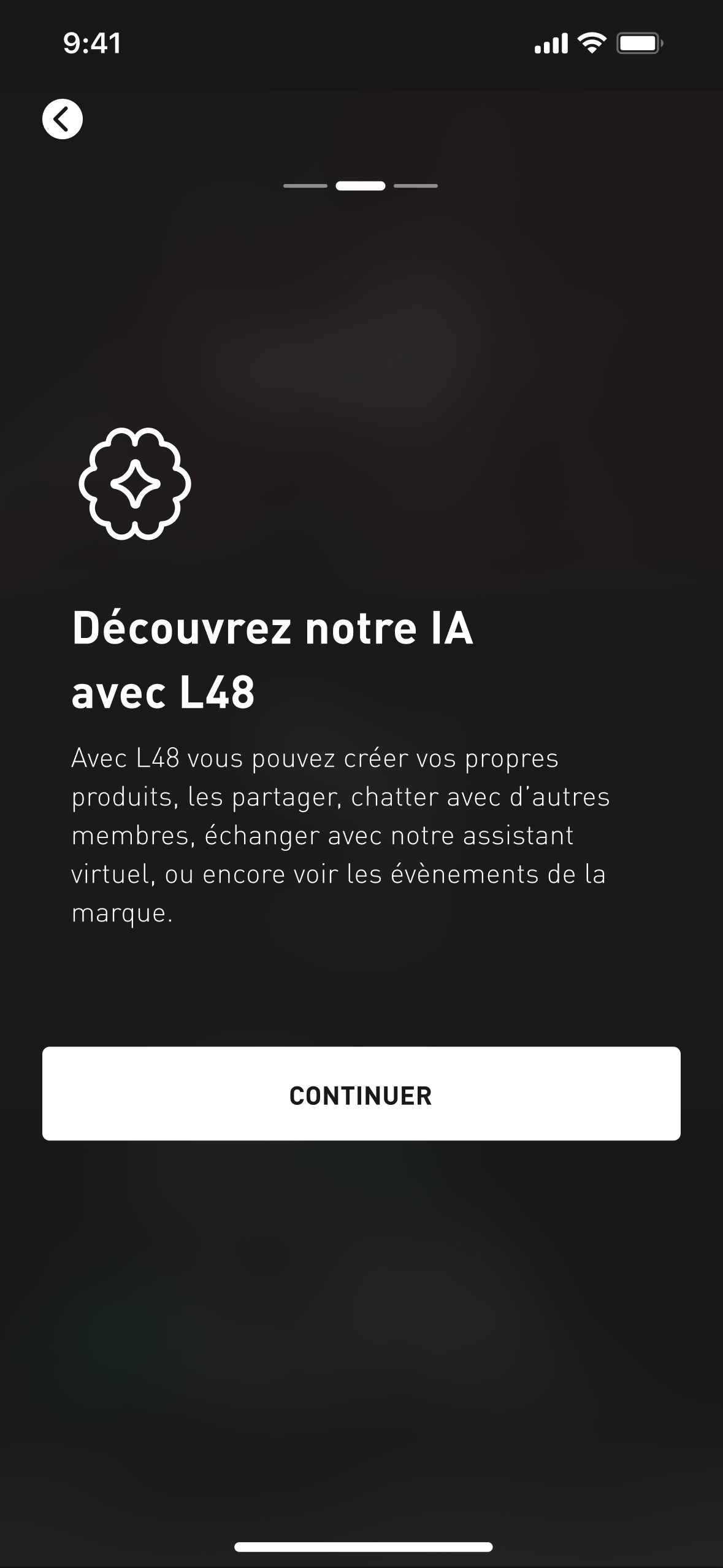
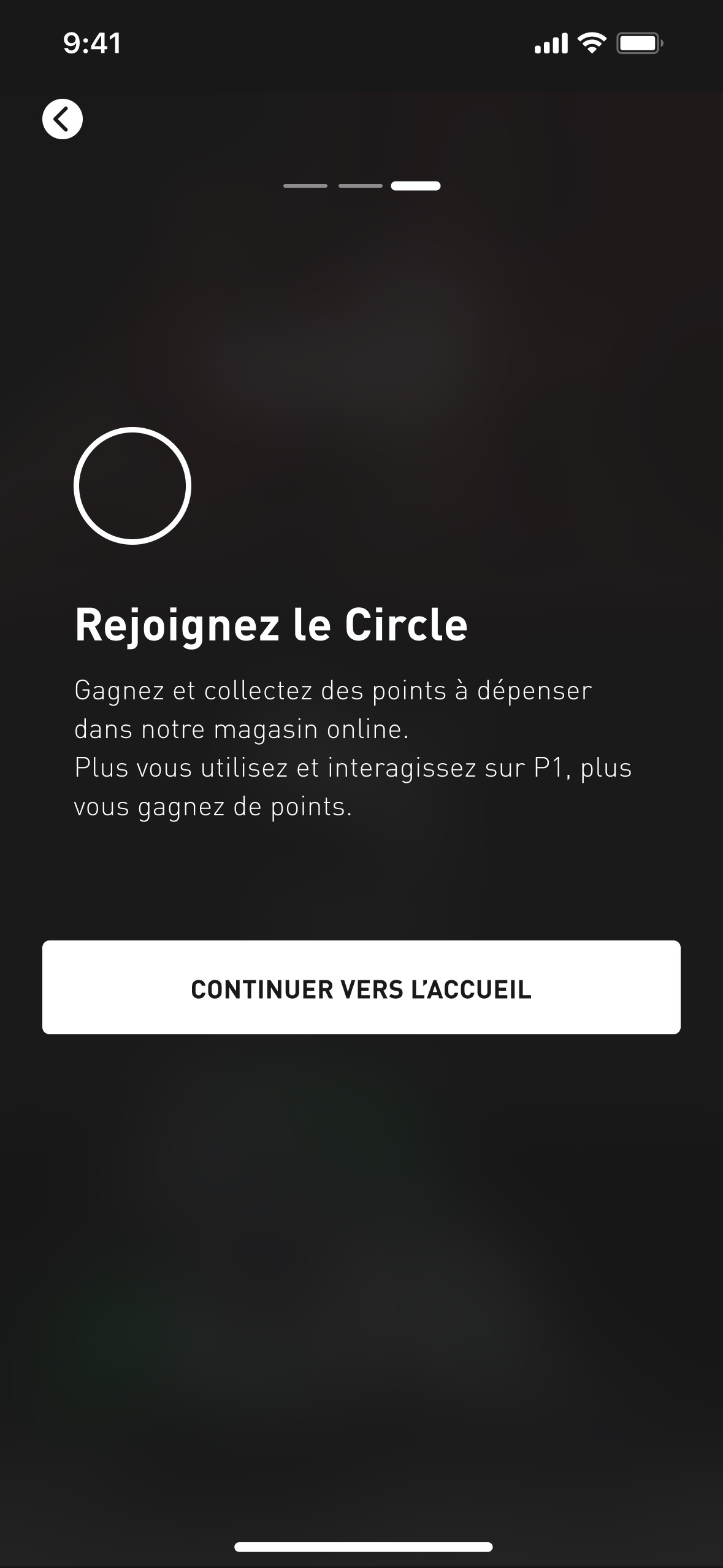
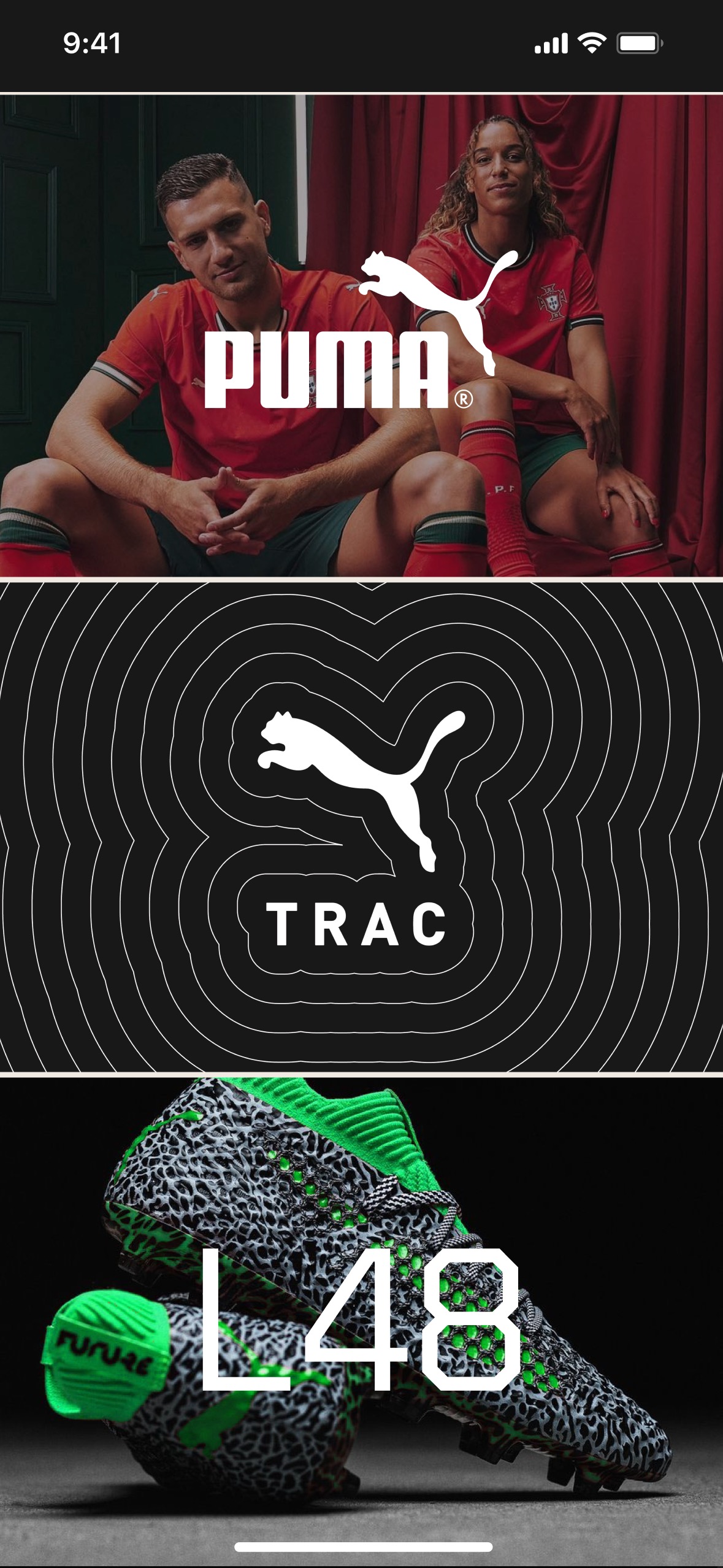
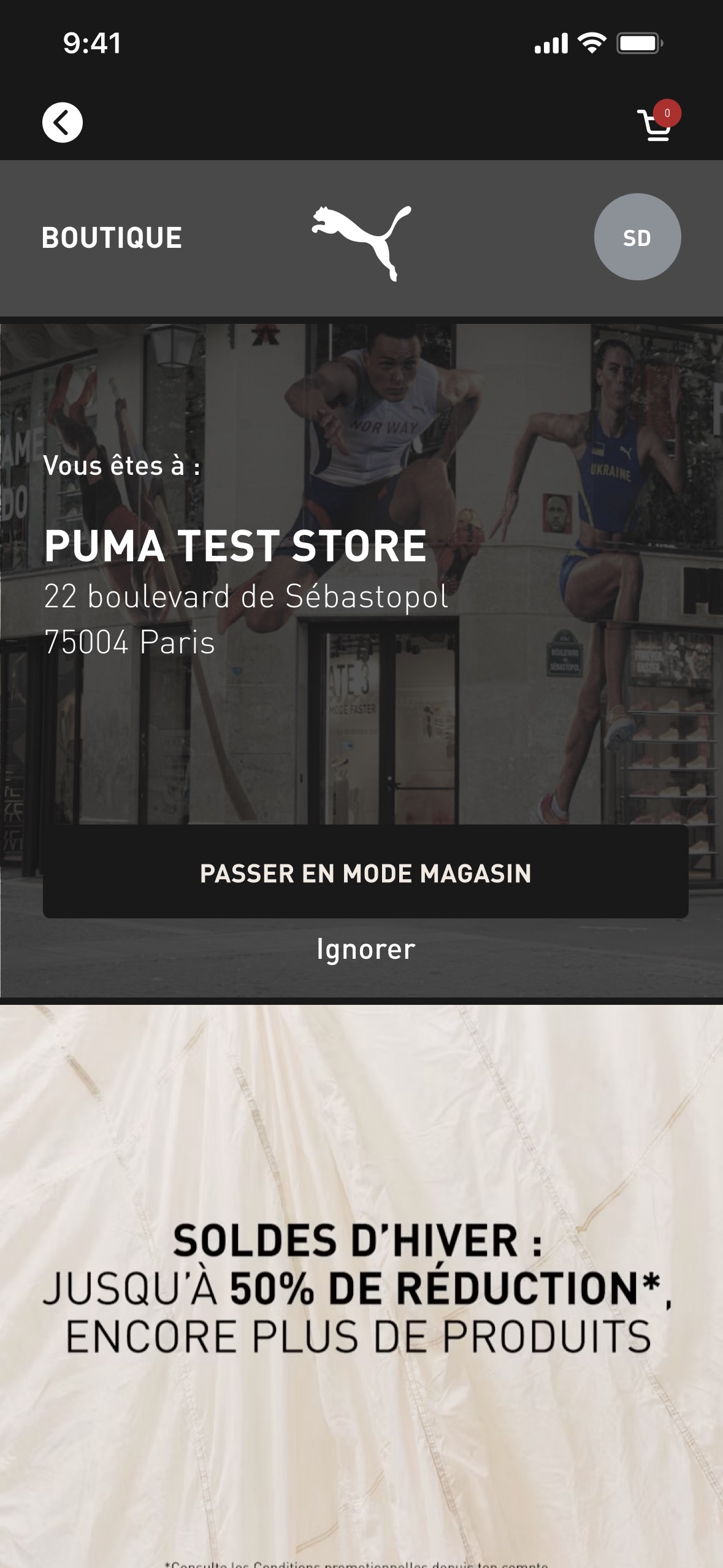
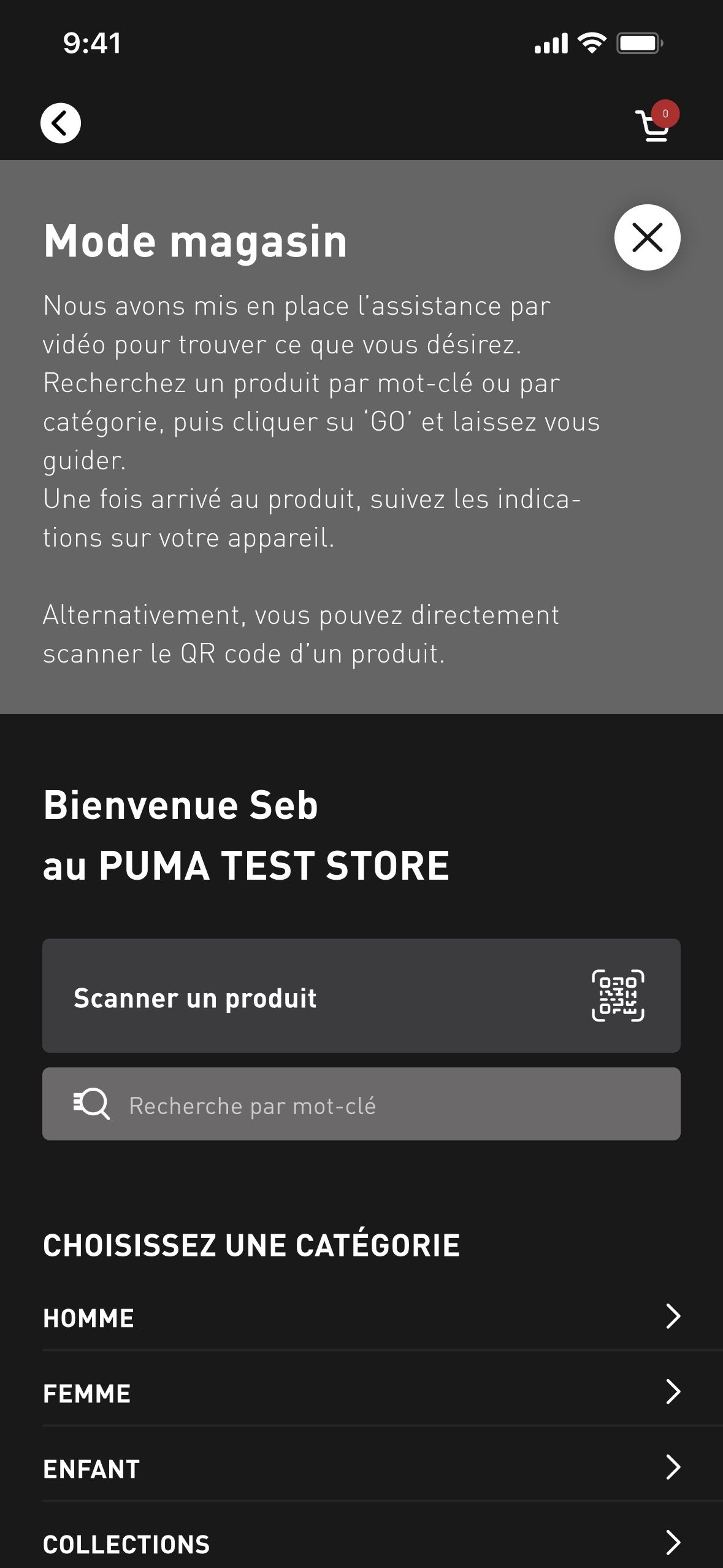
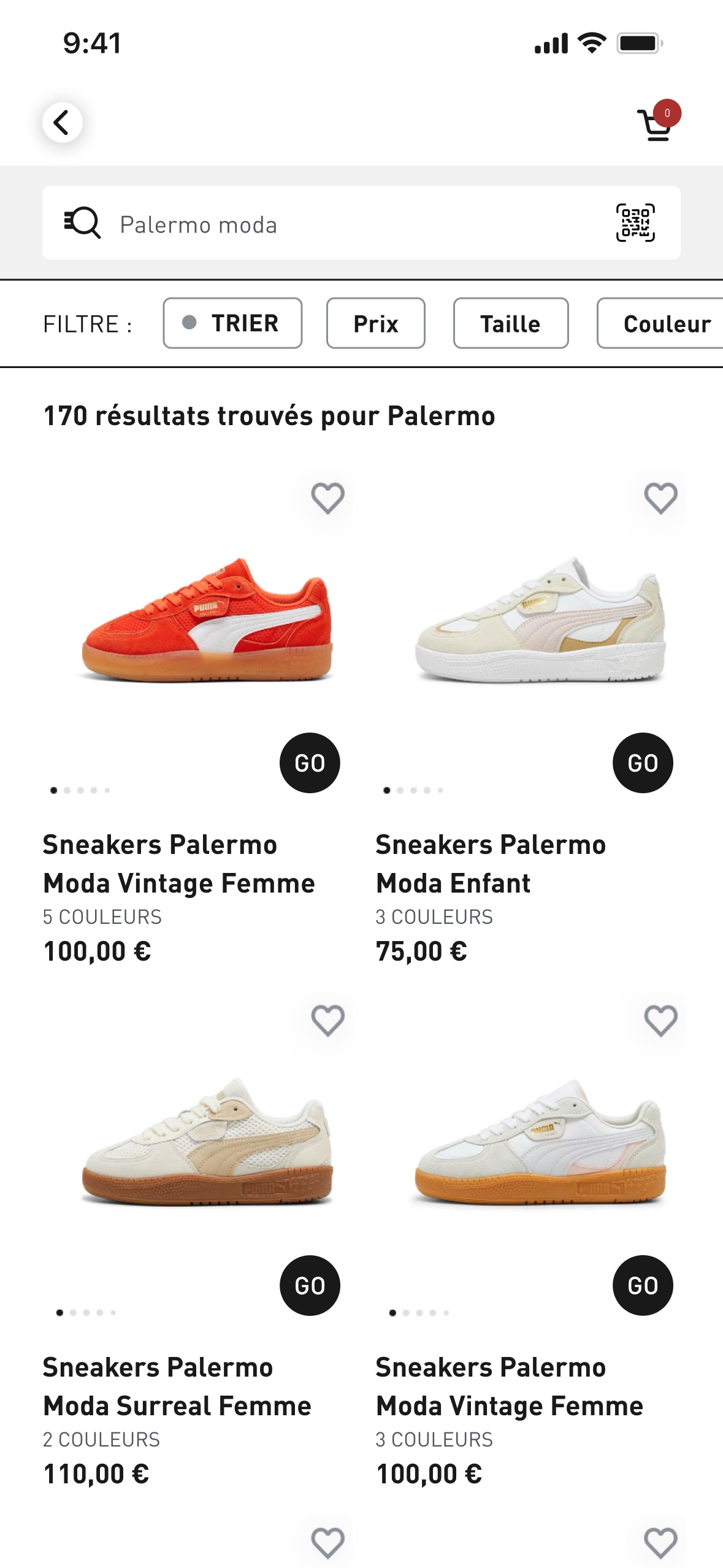
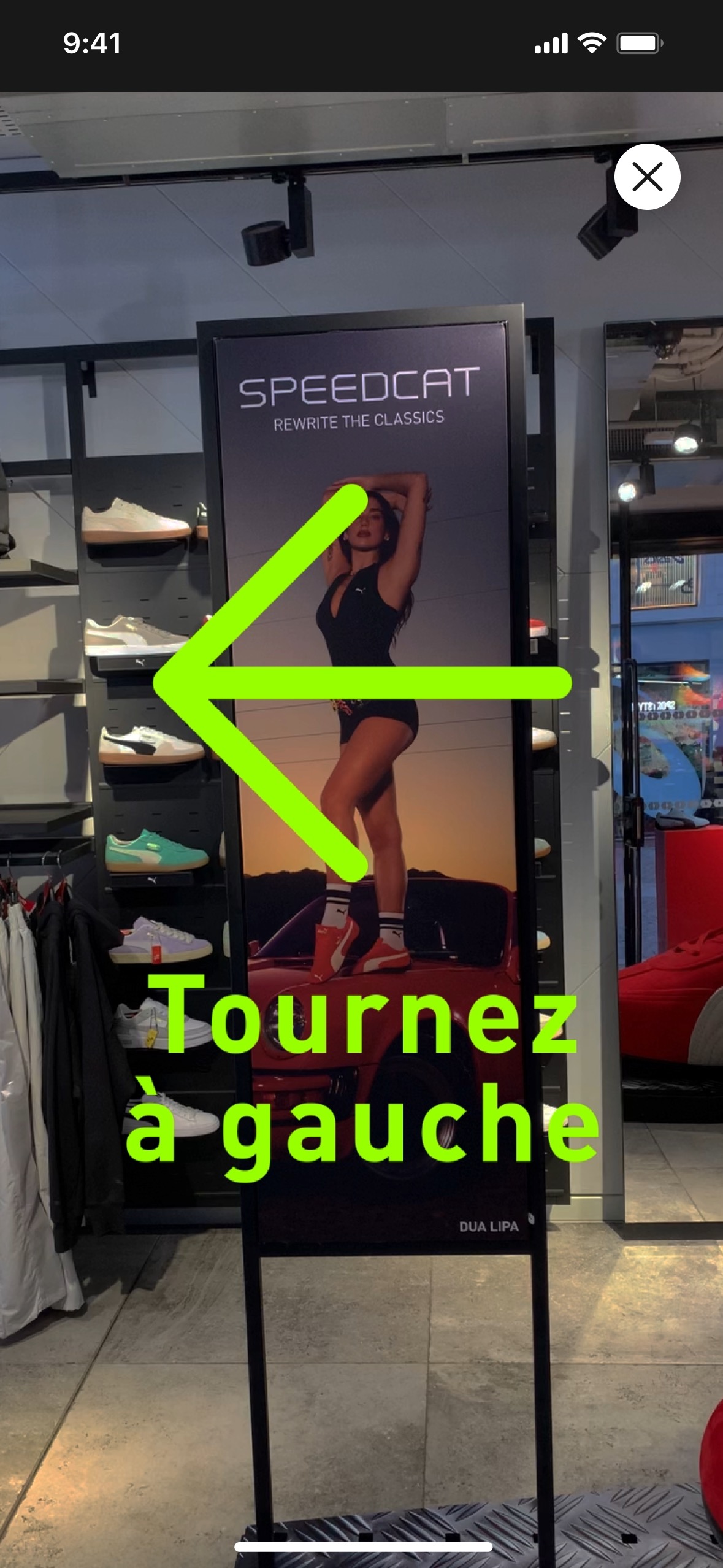
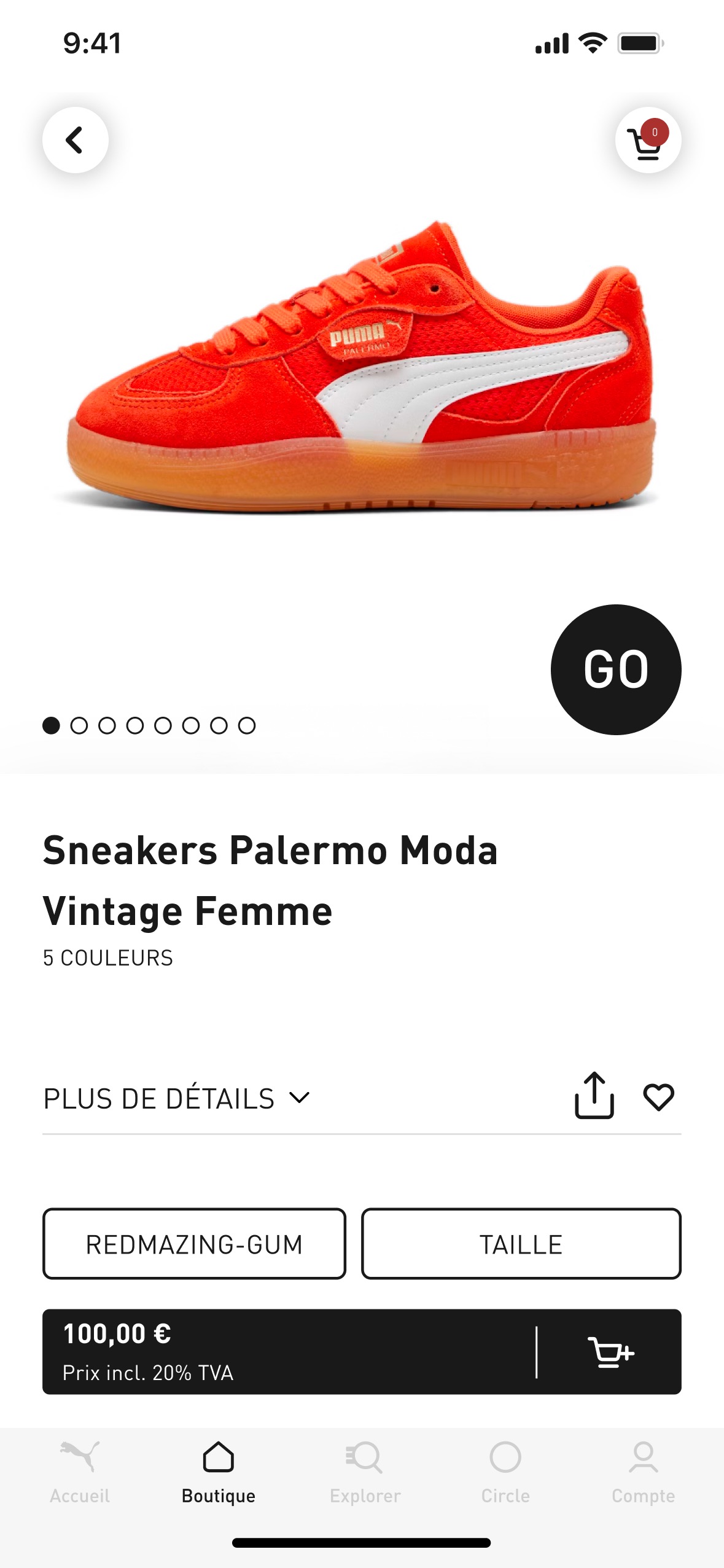
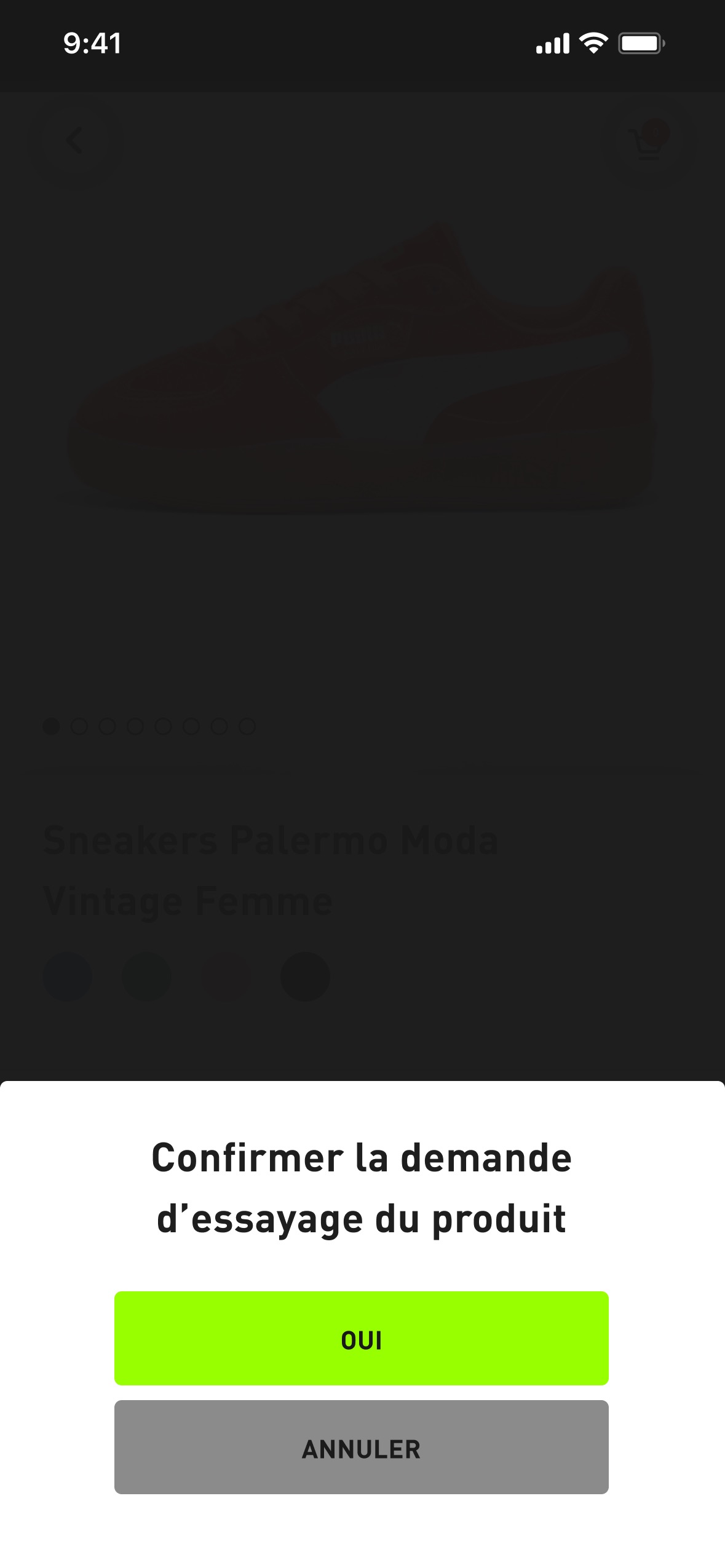
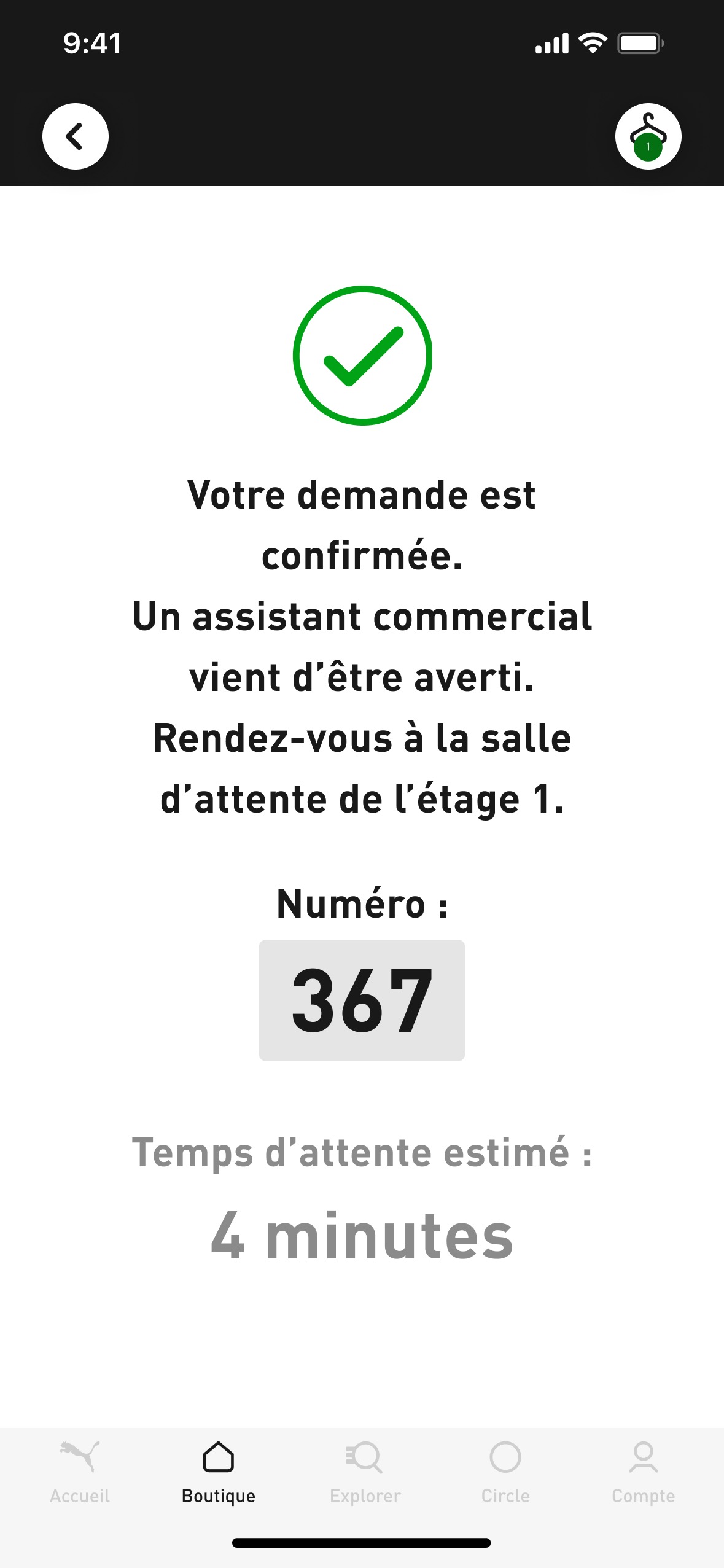
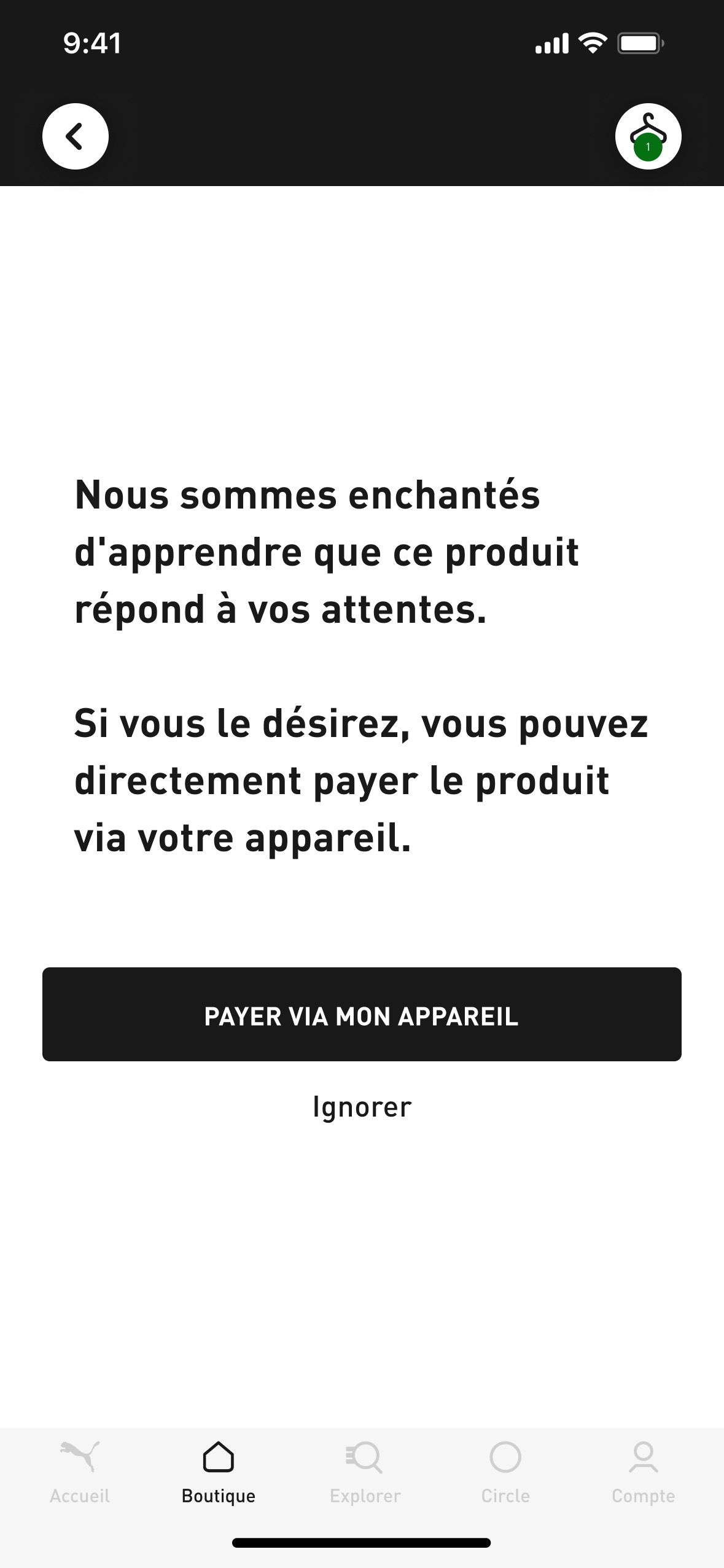
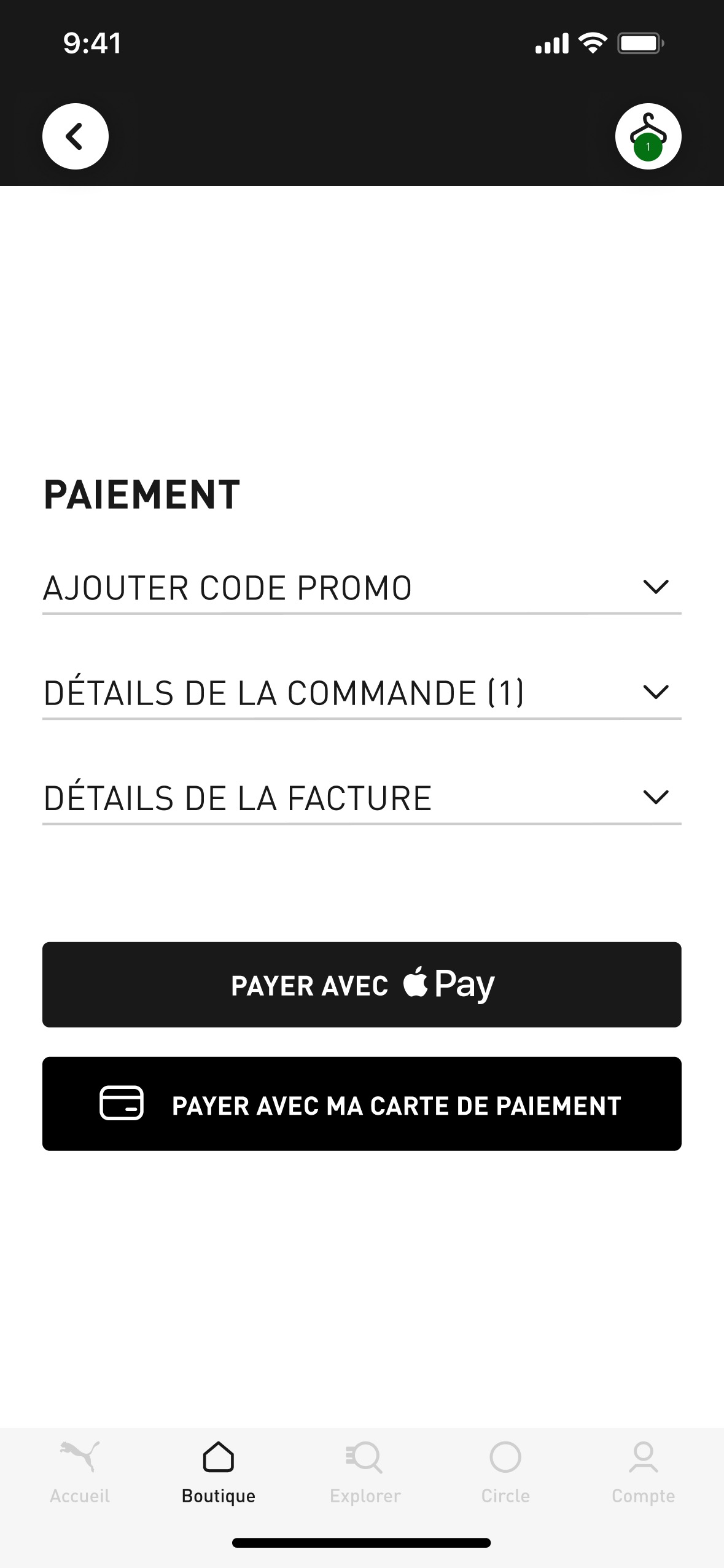
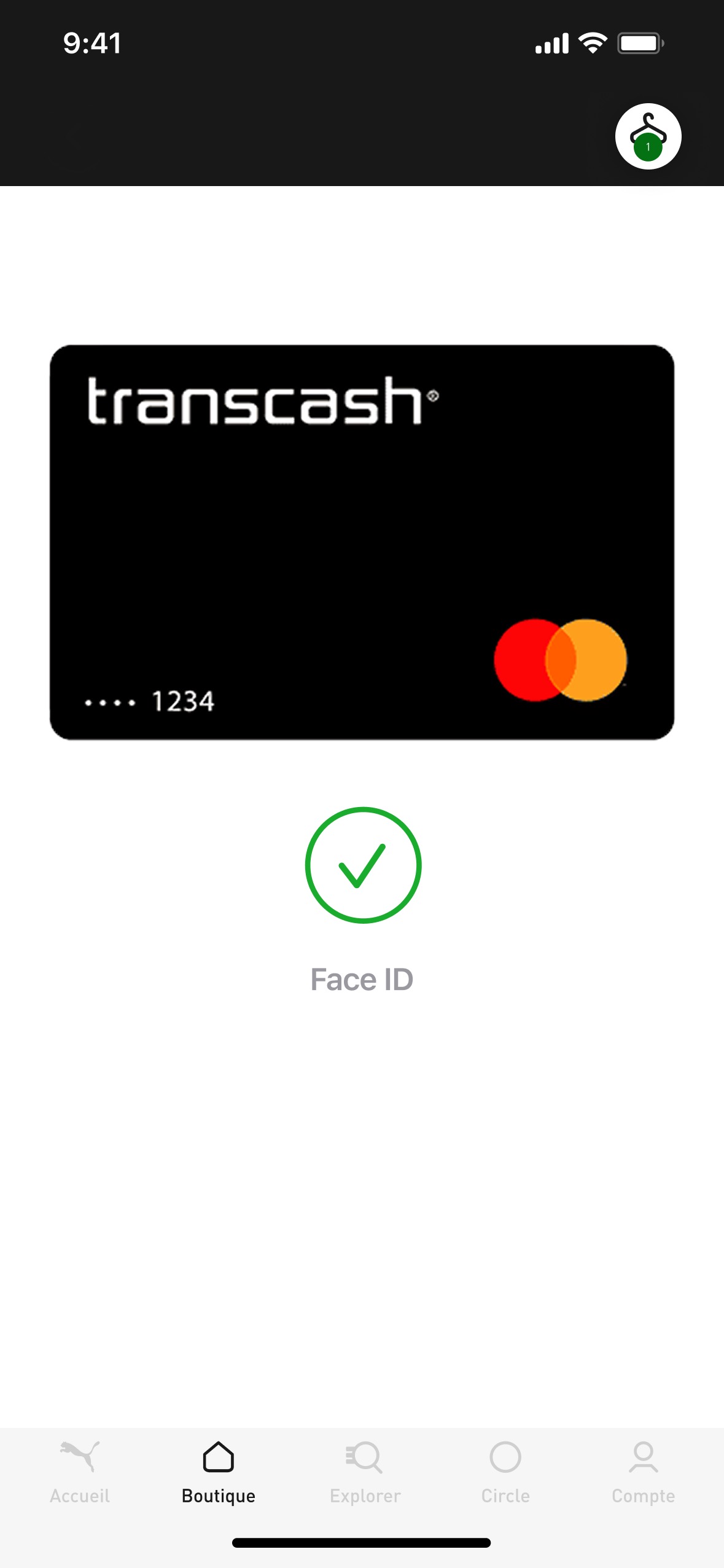
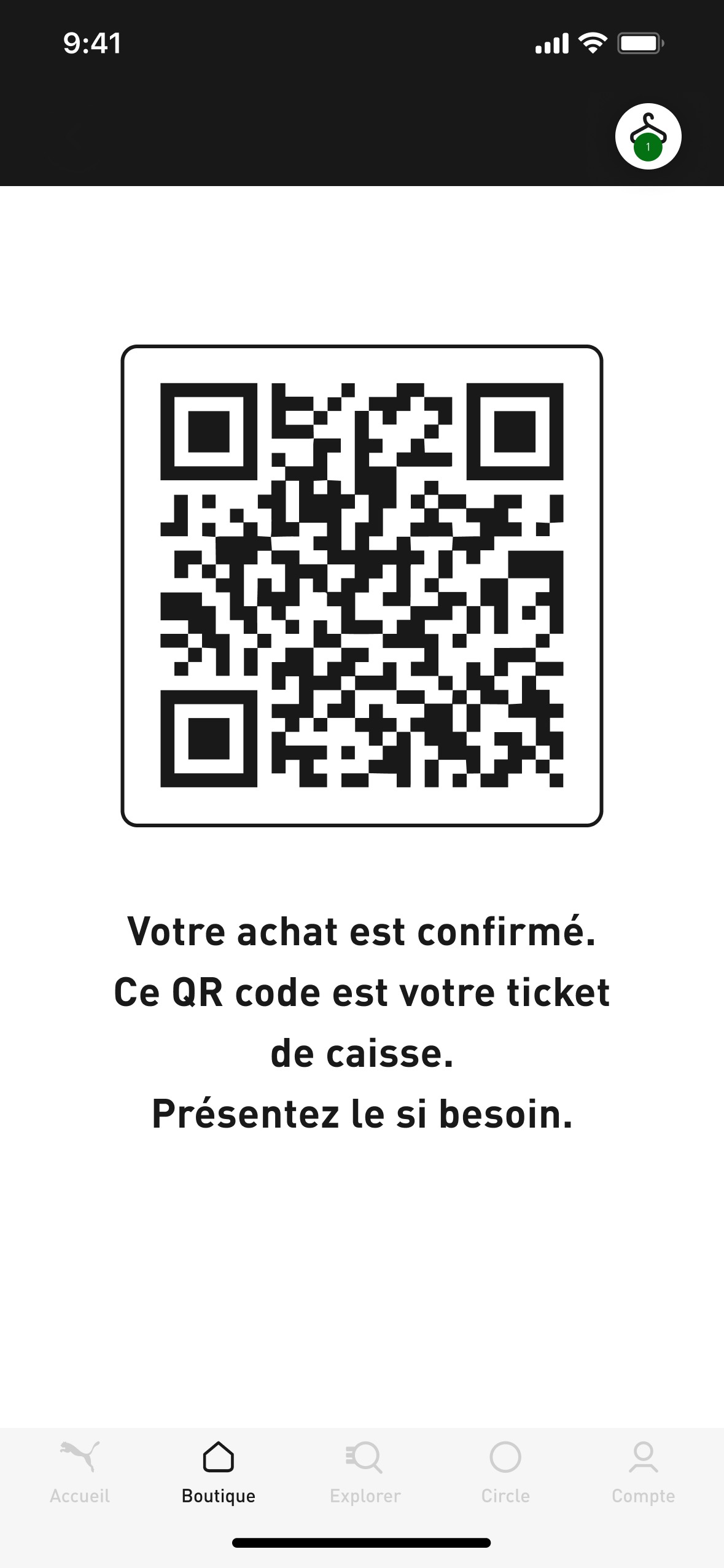
From onboarding to in-store checkout: push notifications, a store mode with Bluetooth/RFID guidance, product discovery and try-on requests, Apple Pay and card payment, a QR-code receipt, the Circle loyalty program, an AI assistant (L48), and content built around Puma's athletes.

[By the numbers]